|
It's a new year and you or someone you know resolved to make some changes “for the good of the planet.” But how can one individual's small-scale actions possibly have any impact on global-scale problems?
After all, the coral reefs have stopped growing and may soon dissolve in a carbonic acid bath. Colony after colony of bees suddenly dead, wacky weather, disastrous droughts, horrendous hurricanes, and we are told microwaving plastics leaches endocrine disruptors into our food. The bad news is overwhelming, and there you stand with your reusable water bottle and cloth bag full organically grown greens and heirloom tomatoes. Do you think you are going to save the world that way? Of course you will not save the world, which is why you are derided and jeered by those who do not care about dissolving reefs and by those who care more than you do.
I, however, celebrate you and your efforts. You, and those who drive to Costco to shop for bulk mangoes and steak, but grow their own vegetables; those who spurn cars for trains and busses but load their pantries with soda and corn-syrup based food; those who turn out the lights when leaving rooms but leave every electronic gadget plugged in; and yes those who load up recyclables in their SUVs. I could berate you and everyone else for inconsistency and ineffectiveness, but I do not live on a wind-powered, organic vegetable commune, travel by horse, or weave my own cloth from the wool of humanely raised sheep. I choose to celebrate every, small, inconsequential effort simply because each is an acknowledgement, a nod, a recognition of larger issues at hand - after all, we are hypocritical, inconsistent, imperfect beings working with incomplete information.
An Earth Day speaker I heard years ago once opined that there was nothing any individual could do about the state of our environment except to send money to environmental lobby groups. Forget that, I'll take my money and go buy a tomato, an organic tomato, from a local farmer at the farmer's market. No, the tomato won't solve the global climate crisis or represent one less tomato trucked in from California or Mexico. But it will make my family healthier, it will set an example for my child, and it will help keep a local farmer working the land. The accumulation of small actions resembles loose change in a jar; the random pieces of coin you throw in won't pay your medical bills, but may help you buy fresh veggies to keep the bills at bay. Hope inspires action and action inspires hope.
Maybe you advocate for walkable cities, or raise money to provide solar ovens in Africa, or work to preserve the endangered Pondberry. If so, thank you. But did you know notepaper could be made from repurposed elephant poo? So why do you buy notepaper made from trees? A friend once said to me that “environmental issues” were not what got her out of bed in the morning - she works to ensure fair labor practices. Others get up in the morning to end human trafficking, to provide schools for girls in Afghanistan, to house the homeless, to teach, to heal, to create art, to raise kids, to provide for their families - so much to do, so much to contribute. Combating global climate change may not be first on the list and that list may not be written on elephant poo paper; but these people turn off the tap when they brush their teeth and switched from incandescent to LED. If we tell them it's not enough, that such small actions won't make a difference, why should they bother taking the next step by biking to school or speaking to the city commission about open space preservation? We can't afford to grumble hopelessness or submit to paralysis.
Still, we need to feed our bourgeoning population, we are losing habitats and species at a frightening clip, we are continually exposed to multiple pesticides and industrial chemicals, and in the U.S. an absurdly large chunk of the population refuses to admit we are altering the climate. To grapple with such issues we require the help and expertise of the advocacy groups I previously discounted. They serve the very real need to organize, to lobby, to inform, to catalyze a shift in the systemic, destructive trajectory we are on. Besides, if you are busy demonstrating against the XL pipeline, who will fight to end poaching of endangered species? And while protesting, remember, plenty of people have a smaller carbon footprint than you simply because they are too poor to buy shoes.
As one who does wake up worrying about the condition of the planet, I need to make it easier for my neighbor, who works with teenagers and violence prevention, to concentrate on her work and know that her everyday choices can safeguard a livable planet for her kids. This is what larger, systemic change can bring - the ability to live in a way that allows us to follow our passions without simultaneously ruining our habitat.
If we as a species are to make a go of it on this planet, people deserve to be celebrated and, more importantly, encouraged for their good deeds, large and small. So, if you are reading this while plugged into the coal-powered electric grid, but munching on a salad you brought in your own reusable plastic bowl, know that one less take-out container was made only to end up in the landfill. If you just purchased the latest cell phone but commute to work on the bus or train, know you are helping your city become more sustainable. If you've just driven home from the farmer's market, give your kid a big hug, and a tomato. You are adding valuable change to that jar, and some day, if we add up all the pennies, nickels and dimes worth of efforts, we will force the systemic change necessary for living and thriving in better balance with this shared planet we call home.
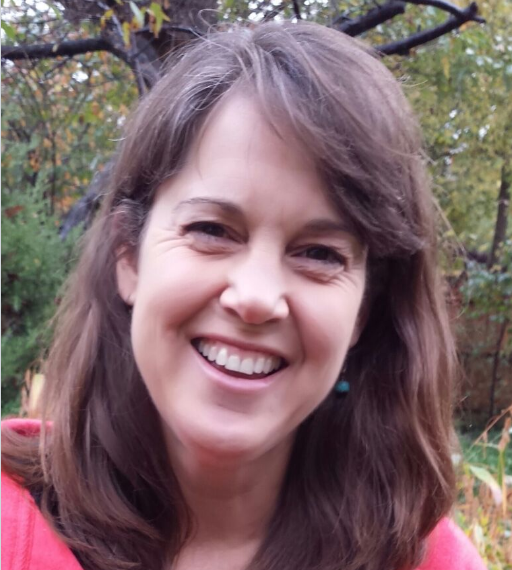 Sharon Ashworth is a freelance writer based in Lawrence, Kansas. She has published in Mother Earth News and Ensia magazines, and is currently co-authoring a book on wetlands with Franklin Pierce University Professor of Environmental Science Catherine Owen Koning. Sharon's day job is managing the Douglas County Extension Master Gardener program, which explains her keen interest in tomatoes.